If you're wondering how to reach Rishikesh, the good news is that you have several straightforward options. From Delhi, you can take a train for around ₹300–₹800, catch a bus for ₹400–₹1,200, or fly to Dehradun and continue by road. The right choice really depends on where you're coming from, how much time you have, and how comfortable you want the journey to be.
For most people travelling from Delhi, the journey takes somewhere between 4 and 7 hours. That makes Rishikesh an easy weekend escape, especially if you're leaving early in the morning and want to be by the Ganga before lunch.
There's also something nice about the journey itself. As you leave the traffic and concrete of Delhi behind, the scenery gradually changes to fields, smaller towns and, eventually, the green foothills around Rishikesh. By the time you arrive, the pace already feels different.
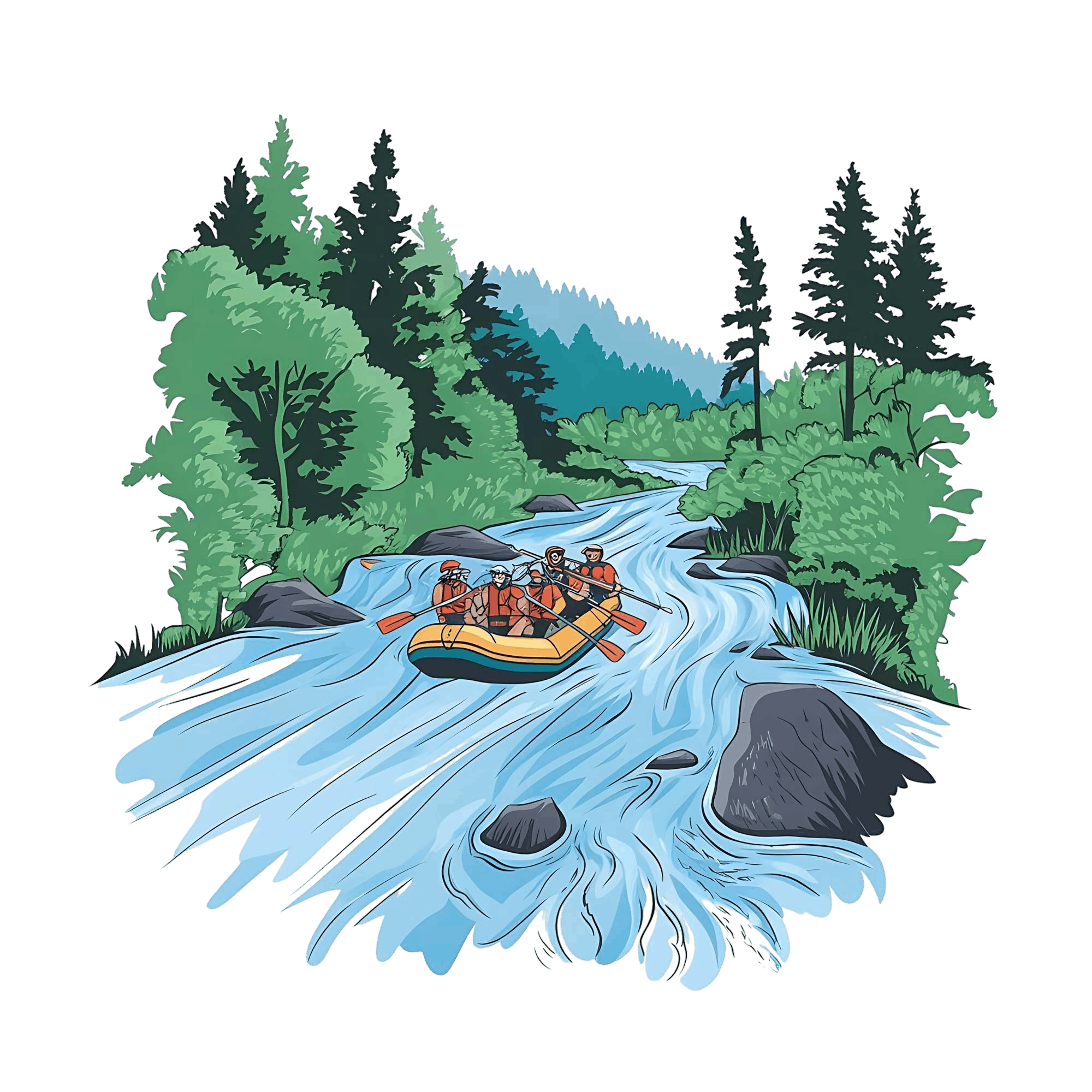
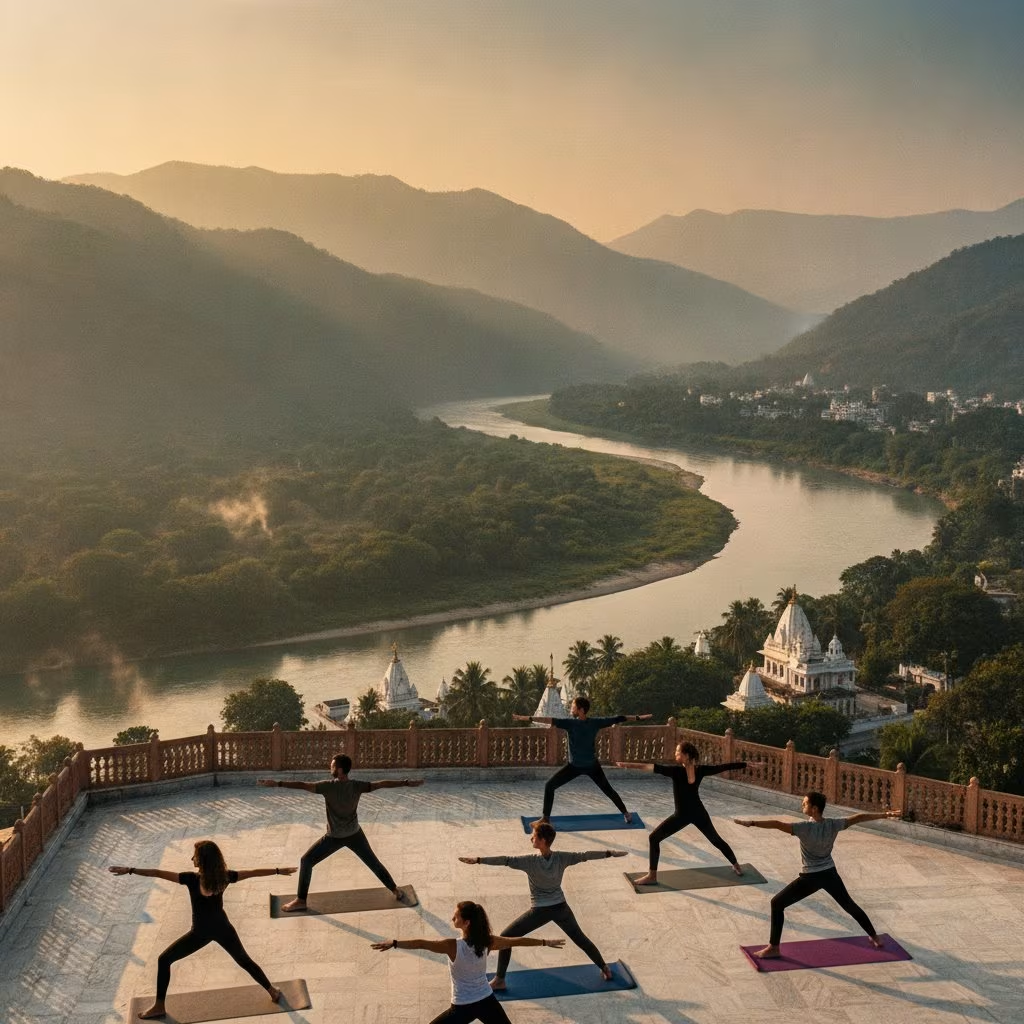
Rishikesh is one of those places where people come for very different reasons. Some arrive for yoga and meditation, others for rafting, trekking and adventure, and plenty simply want a few quiet days beside the Ganga. Whatever brings you here, knowing your transport options before you leave makes the trip much easier.
India's spiritual heartland is well connected from major cities, too. Whether you're coming from Mumbai, Bangalore or flying in from another country, you can choose between trains, flights, buses or a road trip. On bucketlistt, you can compare these options, check availability and plan your trip without jumping between several different websites.
Getting to Rishikesh: Your Complete Transportation Guide
The easiest way to reach Rishikesh depends heavily on your starting point.
Delhi is the most common starting point and sits roughly 240 kilometres away. For travellers coming from southern India or overseas, flying into Dehradun is usually more practical. Buses and road journeys are also worth considering if you're travelling on a budget or simply enjoy being on the road.
Here's what each option looks like.
Delhi to Rishikesh Train: The Most Popular Route
For most travellers coming from Delhi, the Delhi to Rishikesh train is one of the easiest options.
Several trains operate towards Rishikesh and nearby Haridwar/Dehradun routes, with journeys generally taking around 4–6 hours depending on the service. Fares can start around ₹300 and go up to ₹800 or more depending on the class and availability.
Trains leave from major Delhi stations such as New Delhi, Old Delhi and Hazrat Nizamuddin, so you can usually find an option that works with where you're staying in the city.
And honestly, the train journey is part of the experience. You might find yourself sharing a compartment with pilgrims, students, yoga travellers or groups heading towards Shivpuri for adventure activities. The view slowly changes from Delhi's crowded streets to open farmland and then the Himalayan foothills.
If you're travelling during a busy weekend or holiday, don't leave your booking until the last minute. Booking your Delhi to Rishikesh train 2–3 days ahead is a good idea, and during peak periods, booking 2–3 weeks in advance gives you a much better chance of getting the class and timing you want. You can use Indian Railways' official app (IRCTC) or travel booking platforms like bucketlistt.
Early morning trains around 6–8 AM are particularly convenient. You can reach Rishikesh around lunchtime and still have most of the day left to check into your stay, walk around the riverfront or head out for an activity.
Evening trains are another option if you prefer to travel after work, although arriving around 10 PM means you'll probably want to go straight to your accommodation.
Flying to the Nearest Airport to Rishikesh
If you're coming from a city such as Bangalore, Hyderabad, Mumbai or Chennai, flying can save you a lot of travel time.
The nearest airport to Rishikesh is Jolly Grant Airport in Dehradun, around 35 kilometres from Rishikesh. Domestic flights connect the airport with several major Indian cities, with fares generally ranging from ₹2,500–₹6,000 depending on the route, airline and how early you book.
Once you've landed, you still need to cover the final stretch to Rishikesh.
A private taxi usually costs around ₹800–₹1,200 and takes roughly 45 minutes, depending on traffic and where you're staying. A shared shuttle can bring the cost down to around ₹300–₹500 per person, although you'll likely have to wait for other passengers and make a few stops.
A taxi is usually worth the extra money if you're travelling with family, carrying a lot of luggage or arriving late at night. If you're travelling solo and trying to keep costs down, the shared option makes more sense.
You might also be interested in: Book Bungee Jump Now
Flying is particularly useful if you're travelling from southern India. Compared with a train or bus journey, a flight can save roughly 12–16 hours of travel time.
The airport itself is relatively easy to navigate, and taxis are available outside the terminal, so the last part of the journey isn't particularly complicated.
Bus Travel and How to Travel to Rishikesh by Road
🏔️ Plan Your Rishikesh Adventure
Discover and book the best adventure activities, cultural experiences, and stays in Rishikesh — all verified, certified, and available with instant confirmation on bucketlistt!
Explore All Rishikesh Activities →If you're travelling on a budget, don't mind spending a few extra hours on the road, or simply prefer buses, this can be a very practical way to reach Rishikesh.
State-run and private buses connect Rishikesh with Delhi, Agra, Lucknow, Jaipur and several other cities. Depending on the operator and type of bus, fares generally fall between ₹400 and ₹1,200.
Bus Options and Journey Comfort
How to travel to Rishikesh by bus is fairly simple, particularly from Delhi.
Buses generally leave from Kashmiri Gate ISBT or Sarai Kale Khan, with departures throughout the day. The Delhi–Rishikesh journey usually takes around 5–7 hours, although traffic can make the trip longer.
If you're booking a longer journey, look for deluxe or semi-deluxe buses. Many have reclining seats, USB charging and basic onboard facilities. They're a little more expensive than ordinary buses but can make a big difference on a 6–7 hour journey.
Overnight buses are also popular. You can leave Delhi at night and wake up in or around Rishikesh the next morning, which saves you a night's accommodation and gives you more daytime hours at your destination.
During busy periods, especially October and November, booking about a week ahead is sensible. Popular departures can fill up quickly.
Premium operators and Volvo-style services usually cost around ₹900–₹1,200. These are worth considering if you're travelling with children, older family members or simply don't want to spend several hours in a basic bus.
Self-Drive: The Adventure Route
If you like having complete control over your schedule, driving from Delhi to Rishikesh can be a fun option.
The journey is around 240 kilometres and generally takes about 4–5 hours in normal traffic. A rental car in Delhi can cost roughly ₹2,000–₹4,000 per day depending on the vehicle and whether you choose to drive yourself or hire a driver.
The biggest advantage is flexibility. You don't have to worry about train timings or bus stops, and you can stop whenever you want for food, photographs or a quick break.
If you're not comfortable driving in Indian traffic or aren't familiar with the roads, hiring a driver can be worth the additional ₹500–₹1,000 per day. Apart from making the journey less stressful, a local driver can often help you choose safer stops and navigate traffic more easily.
Planning Your Journey: Timing, Costs, and Practical Details
There isn't one universally "best" way to reach Rishikesh. Your decision really comes down to your budget, starting city, available time and how much comfort matters to you.
Before booking, it's worth looking at both the travel time and the total cost—not just the ticket price.
Best Time to Visit Rishikesh
October through March is generally the most comfortable period to visit Rishikesh. Temperatures are usually around 15–25°C, rainfall is low and outdoor activities are much more enjoyable.
October and November are especially popular because the monsoon has ended and the landscape is still lush. It's a good time for activities such as trekking to Patna Waterfall or heading up to Kunjapuri Devi Temple for sunrise.
You might also be interested in: Book Rishikesh Rafting Now
December and January are busy months. You'll often find higher accommodation prices, crowded attractions and more demand for trains and buses.
If you'd rather avoid the biggest crowds, February and March can be a good compromise. The weather is still pleasant, but the town can feel a little less hectic.
Summer, from April to June, can get very hot, with temperatures reaching around 35–42°C. The monsoon season from July to September brings heavy rain and can affect outdoor plans, mountain roads and visibility.
For peak-season travel, booking trains or buses 2–3 weeks in advance is a sensible move. Off-season travel can be cheaper and quieter, but you'll need to be more flexible with the weather.
Budget Breakdown for Your Journey
Here's a realistic idea of what you might spend on the journey:
Train from Delhi: ₹300–₹800 depending on class (General to AC 2-Tier)
Flight from Delhi/Bangalore/Mumbai: ₹2,500–₹6,000 plus ₹800–₹1,200 for taxi from Dehradun airport
Bus from Delhi: ₹400–₹1,200 for deluxe options
Self-drive rental car: ₹2,000–₹4,000 per day plus fuel and parking
Taxi/Uber from Delhi: ₹2,500–₹4,000 for direct drop (not recommended for budget travelers)
For most people travelling from Delhi, the train is probably the best balance between price, comfort and travel time. Buses can save you some money, while flights make more sense when you're travelling from a much farther city.
Booking Your Transport on Bucketlistt
Planning a trip often means checking several apps just to figure out the simplest way to get there.
Bucketlistt lets you compare transport options, prices, timings and comfort levels in one place. You can filter based on what matters to you and book with real-time confirmations rather than switching between different platforms.
Depending on the trip, you can also combine your transport planning with accommodation and activities. That means you can sort out your stay, add something like rafting or trekking and have more of your Rishikesh trip planned before you even leave home.
Insider Tips: Making Your Journey Smooth and Memorable
Getting to Rishikesh isn't particularly difficult. A few small decisions, though, can make the difference between a smooth arrival and spending your first few hours figuring things out.
Navigation and Local Transport Within Rishikesh
Rishikesh is spread across both sides of the Ganges, with bridges connecting different parts of town.
Local auto-rickshaws are useful for short trips and generally cost around ₹30–₹80. During busy periods, drivers may quote a fixed fare rather than using a meter, so agree on the price before getting in.
Uber is also available and can be useful for some journeys, with many in-town rides costing around ₹100–₹200.
If you're staying around the main tourist areas near the Ganga, you'll often find that walking is actually the easiest way to explore. Cafes, ashrams, riverfront spots and smaller shops are often close enough to reach on foot.
For places farther out, such as Kunjapuri Devi Temple or Shivpuri, a taxi for the day can be more convenient. Expect around ₹1,500–₹2,000 for a day taxi, depending on the route and vehicle.
You might also be interested in: Explore Rishikesh Adventures on bucketlistt
And don't underestimate walking here. Some of the best parts of Rishikesh aren't things you necessarily plan to see. You might turn down a small lane, find a quiet riverside café or end up sitting beside the Ganga for an hour longer than expected.
The famous Beatles Cafe overlooks the river and is another easy stop while exploring. It has a relaxed atmosphere, organic food and live music, and feels more like a place travellers actually spend time than a quick tourist photo stop.
Practical Travel Essentials
Pack for variable weather: Even in the cooler months, mornings and evenings can feel chilly, particularly if you're heading towards higher-altitude places. Carry layers, a light jacket, thermal wear when needed and comfortable walking shoes. During the day, breathable clothing is usually more comfortable.
Cash and cards: Digital payments are common, but don't assume every small shop, ashram or roadside food stall will accept them. Keeping ₹2,000–₹3,000 in smaller notes is useful. ATMs are available around the main market areas, but carrying some backup cash is sensible during busy periods.
Health precautions: Stick to bottled or filtered water during your trip. Visitors who aren't used to the local water may experience stomach problems. It's also useful to carry basic medicines such as antacids, anti-diarrhea tablets and pain relievers. If you have a sensitive stomach, be a little more careful with street food and smaller eateries.
Accommodation booking: October and November can get busy, so booking your stay ahead of time is recommended. Laxman Jhula is lively and popular with tourists, Ram Jhula is generally quieter and more spiritual, while the main bazaar is convenient but busier. Budget guesthouses can start around ₹500–₹1,500 per night, mid-range hotels around ₹2,000–₹4,000, and luxury resorts from ₹5,000 and above.
Hidden Gems While You're Here
Once you've sorted out how to reach Rishikesh, don't spend the whole trip ticking off only the famous places.
Patna Waterfall is a good example. The route takes you through forest and away from some of the busier parts of Rishikesh. The trek can take around 2–3 hours, depending on your pace, and the waterfall makes a peaceful break from the more crowded tourist spots.
Phool Chatti Waterfall is another quieter option. It's located along the Neelkanth temple route and is easier to visit as a half-day outing. The surrounding greenery makes it particularly beautiful during the wetter months.
Then there's the Beatles Cafe, formally known as the 60's Cafe. The cafe celebrates the Beatles' 1968 connection with Rishikesh and sits overlooking the Ganga. You'll find travellers, musicians and locals here, along with organic food and a relaxed retro atmosphere.
Rishikesh doesn't really need to be over-planned. Come for the adventure, stay for the river, and leave a little room in your schedule for the places you discover along the way.
Rishikesh is one of those destinations that can work whether you're looking for adrenaline, spirituality, nature or simply a few days away from city life. This guide covered the best how to reach rishikesh, bucketlistt, delhi to rishikesh bus timing, delhi to rishikesh train, haridwar to rishikesh taxi, how to reach rishikesh, how to travel to rishikesh, nearest airport to rishikesh, rishikesh railway station trains, and rishikesh travel guide, giving you the practical information you need to plan your journey. If you're also looking for verified operators and activity packages once you arrive, you can browse options on bucketlistt.
Frequently Asked Questions
Q1: What is the cheapest way to reach Rishikesh from Delhi?
A1: A bus can be one of the cheapest options, with fares around ₹400–₹800 depending on the operator and type of bus. Trains are also excellent value, with general tickets around ₹300–₹500. If comfort matters, the train is often the better choice for the relatively small difference in price. Both usually take around 5–7 hours.
Q2: How long does it take to reach Rishikesh from Delhi?
A2: It depends on how you travel. Trains generally take around 5–6 hours, buses around 6–7 hours and a self-drive journey around 4–5 hours in normal traffic. Flying takes around 1.5–2 hours in the air, but you'll need to add airport procedures and the drive from Dehradun to Rishikesh.
Q3: Is the nearest airport to Rishikesh easily accessible?
A3: Yes. Jolly Grant Airport in Dehradun is around 35 kilometres from Rishikesh. The drive usually takes around 45 minutes to an hour, depending on traffic. You can take a taxi or shared shuttle after landing, and pre-booking your transfer through platforms like bucketlistt can make the arrival easier.
Q4: Can I book a Delhi to Rishikesh train online?
A4: Yes. You can use the IRCTC app (Indian Railways official platform) or third-party booking sites like bucketlistt, Cleartrip, or MakeMyTrip. During peak travel periods, booking 2–3 weeks ahead is a good idea if you want better availability and your preferred class.
Q5: What's the best time to travel to Rishikesh?
A5: October through March is generally the most comfortable period, with temperatures around 15–25°C and relatively little rain. October and November are popular, while February and March can offer a quieter experience. Summer can be very hot, and monsoon brings heavy rainfall that can affect outdoor plans.
Q6: Can I get photos or videos of my adventures in Rishikesh?
A6: Yes. Many professional operators offer photography and high-definition GoPro video packages for adventure activities. If getting photos or videos is important to you, check what's included in your activity package before booking.