There are some travel experiences you photograph.
And then there are experiences you simply sit through and remember.
Ganga Aarti in Rishikesh is definitely the second kind.
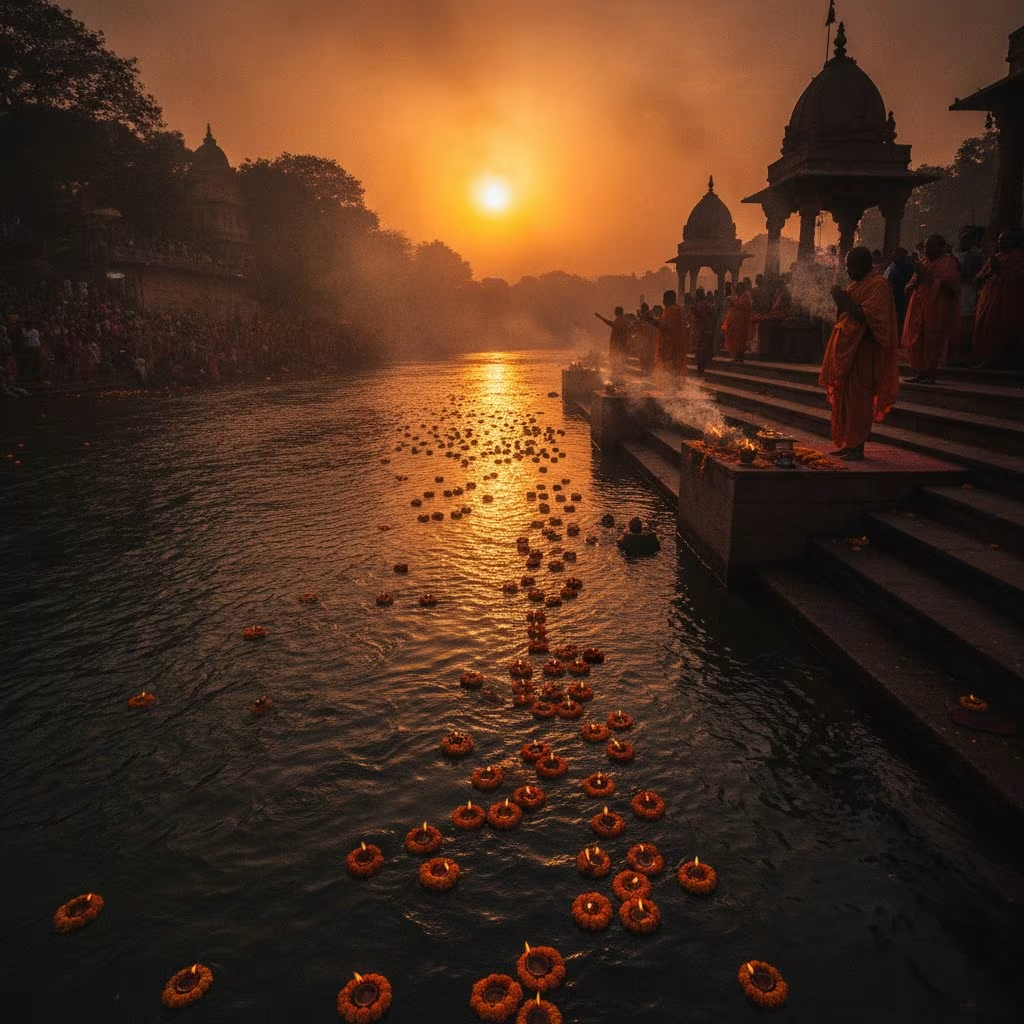
As the sun starts disappearing behind the hills, people slowly gather along the ghats. The river gets quieter, temple bells begin ringing and priests prepare for the evening ceremony.
Then the lamps are lit.
The chants begin.
And for the next few minutes, the entire atmosphere around the Ganga feels different.
If you're visiting Rishikesh for the first time, the Ganga Aarti at Triveni Ghat is one experience worth making time for — even if you're not particularly religious.
You don't need to know every ritual or understand every Sanskrit chant. Just being there, watching the lamps move over the river and seeing hundreds of people participate in the ceremony is an experience in itself.
And with Bucketlistt's Ganga Aarti experience starting from ₹499, you can also choose a more organised way to experience it.
What Is Ganga Aarti in Rishikesh?
Ganga Aarti is an evening Hindu prayer ceremony dedicated to the River Ganga.
The ceremony involves priests offering lamps, flowers, incense and prayers to the river. Music, bells and chanting accompany the ritual, creating an atmosphere that feels both powerful and peaceful.
In Rishikesh, the ceremony is particularly well known at Triveni Ghat and Parmarth Niketan Ashram.
While both experiences have their own character, the basic idea remains the same: coming together at the end of the day to honour the Ganga.
For visitors, it's easy to mistake the ceremony for a cultural show.
It's not.
For the people participating, this is a genuine spiritual practice.
That's why the best way to experience it is to observe respectfully rather than treating it like just another tourist attraction.
Ganga Aarti at Triveni Ghat: What to Expect
If you're attending the Ganga Aarti at Triveni Ghat for the first time, here's what your evening will generally look like.
You'll arrive before sunset and find people already gathering around the ghat.
Some are sitting quietly.
Some are praying.
Some are arranging flower offerings.
And, of course, there will be plenty of travellers trying to find the best place to sit.
As the ceremony begins, the atmosphere changes.
Bells ring.
Chants fill the air.
Priests perform synchronized movements with large lamps.
The Ganga reflects the light as the ceremony continues.
At the end, devotees may make offerings or receive prasad.
The actual ceremony doesn't take very long, but the entire experience is worth giving yourself a couple of hours for.
Don't arrive five minutes before it starts and leave immediately afterwards.
The atmosphere before and after the ceremony is part of what makes the evening special.
If you'd like a more organised way to experience it, you can book the Ganga Aarti experience with Bucketlistt.
Ganga Aarti Timings in Rishikesh
One thing to remember about Ganga Aarti timings in Rishikesh is that they aren't fixed to exactly the same clock time throughout the year.
The ceremony is connected to sunset, so the timing shifts with the season.
As a general guide, evening aarti is usually held around:
Winter: approximately 5:30–6:30 PM
Summer: approximately 6:30–7:30 PM
Exact timings can change, so it's always smart to confirm the timing for your specific travel date.
Our biggest tip?
Reach 30–45 minutes early.
You'll have time to find a comfortable place, understand what's happening around you and settle in before the ceremony starts.
During weekends, holidays and peak travel months, arriving early becomes even more important.
How Much Does Ganga Aarti in Rishikesh Cost?
You don't necessarily have to pay to attend the public ceremony.
You can visit the ghat independently and experience the aarti without purchasing a tour.
However, a guided experience can make the evening easier, particularly if it's your first visit.
A guide can help with:
Getting to the venue
Understanding the ceremony
Finding a suitable viewing area
Navigating the crowds
Understanding the meaning behind different parts of the ritual
Bucketlistt's Ganga Aarti Experience
Bucketlistt offers a curated Ganga Aarti experience from ₹499, giving travellers an easier way to plan the evening.
If you'd prefer a more comfortable and organised experience rather than figuring everything out yourself, you can book the Ganga Aarti experience on Bucketlistt.
Triveni Ghat vs Parmarth Niketan: Which Ganga Aarti Should You Attend?
This is one of the most common questions travellers ask.
Both are worth experiencing, but they feel different.
Triveni Ghat Ganga Aarti
Triveni Ghat is one of the best-known ghats in Rishikesh.
The setting is right beside the Ganga, and the ceremony attracts a mix of locals, pilgrims and travellers.
If you want to experience a traditional riverside evening surrounded by the everyday energy of Rishikesh, Triveni Ghat is a great choice.
Parmarth Niketan Ganga Aarti
The Parmarth Niketan Ashram experience has its own distinct atmosphere.
The ceremony is closely associated with the ashram and is often visually striking, particularly when the lamps are lit along the river.
If you're staying around the Ram Jhula or ashram area, it can be especially convenient.
So which one is the "best Ganga Aarti in Rishikesh"?
There isn't really one universal answer.
If you're looking for a particular atmosphere, choose based on where you're staying and what kind of evening you want.
And if you have enough time, experiencing both can give you two different perspectives on Rishikesh's spiritual side.
The Best Time to Experience Ganga Aarti in Rishikesh
For most travellers, October to March is a comfortable period to visit Rishikesh.
The evenings are cooler, the weather is generally pleasant and sitting beside the river after sunset feels especially nice.
October–November
A great balance of comfortable weather and manageable crowds.
December–January
Peak season.
The atmosphere can be lively, but popular viewing spots fill quickly.
February–March
Another pleasant period, especially if you prefer slightly warmer evenings than the winter months.
April–June
The daytime heat can be intense, although the evening ceremony itself can still be enjoyable.
July–September
Monsoon can make the ghats wet and slippery, and weather conditions can affect travel plans.
Whenever you visit, check the current local conditions and ceremony timing before heading out.
What Should You Wear to Ganga Aarti?
You don't need traditional clothing to attend.
Just keep it comfortable and respectful.
A good choice would be:
Comfortable, modest clothing
Breathable fabrics
A light shawl or jacket during cooler months
Comfortable footwear with good grip
The ghat steps can become slippery, particularly close to the river.
And remember that you're entering a spiritual space.
Avoid overly revealing clothing and follow any instructions given by the temple, ashram or local organisers.
Can You Take Photos During Ganga Aarti?
Generally, yes.
But there's a difference between capturing the atmosphere and turning someone's prayer into your content shoot.
Photograph the lamps, river and overall ceremony, but avoid putting a camera directly in someone's face while they're praying.
Also, avoid unnecessary flash photography.
And honestly, put the phone down for a few minutes.
You've travelled all the way to Rishikesh.
You can survive without recording every second of the ceremony.
Some moments are better experienced first and photographed later.
What Else Can You Do Around Ganga Aarti?
One of the easiest ways to make the evening more enjoyable is to avoid treating the aarti as an isolated activity.
Build your day around it.
Start with a peaceful morning
Try yoga, meditation or a walk along the Ganga.
Explore Rishikesh during the day
Visit the Beatles Ashram, explore Tapovan or spend some time around Ram Jhula and the surrounding lanes.
Have a relaxed lunch
Rishikesh has plenty of cafés where you can slow down for an hour or two.
Head towards the ghat before sunset
Don't leave your hotel at the last possible moment.
Attend the Ganga Aarti
Sit back and experience the ceremony without constantly checking the time.
End the evening with dinner
After the ceremony, explore a café or local restaurant and let the day wind down.
If you're looking for more activities to add to your trip, you can explore Rishikesh adventures on Bucketlistt.
What to Do Before the Ganga Aarti
If you have several hours before the aarti, there are plenty of ways to spend them.
You could visit Vashishta Gufa, a peaceful riverside cave associated with meditation and Hindu tradition.
Or head towards Little Buddha Cafe for a relaxed meal and some downtime.
If you're looking for something more adventurous, you can also book a Hot Air Balloon Ride in Rishikesh or book a Paragliding
You could also explore the streets around Tapovan, shop for souvenirs or simply sit beside the Ganga.
The important thing is not to pack too much into the afternoon.
If your entire day has been rushed, you may reach the aarti tired and distracted.
Give yourself some breathing room.
Ganga Aarti Safety Tips for First-Time Visitors
Rishikesh is generally comfortable for travellers, but crowded ghats still require basic awareness.
Keep your belongings secure
Carry a small bag and keep your phone and wallet somewhere secure.
Watch your footing
The stone steps can be uneven and slippery.
Be careful around the river
The Ganga can have strong currents. Don't enter the river simply because you see other people near the water.
Respect the ceremony
Don't interrupt prayers or ceremonies for photographs.
Follow local instructions
If organisers ask visitors to move, sit somewhere else or avoid a particular area, follow their instructions.
Carry some cash
Small vendors and local transport may not always accept digital payments.
Is Ganga Aarti Worth It If You're Not Religious?
Yes.
And this is probably one of the most important things to understand.
You don't need to be religious to appreciate the experience.
You can look at it as a cultural experience, a moment of reflection, a beautiful riverside ceremony or simply a chance to see a different side of India.
People attend for different reasons.
Some come to pray.
Some come with their families.
Some are travellers.
Some are simply curious.
Everyone can experience the evening differently.
That's part of its charm.
Why Book a Ganga Aarti Experience With Bucketlistt?
You can absolutely attend the ceremony on your own.
But if you're unfamiliar with Rishikesh, a curated experience can remove some of the small logistical headaches.
With Bucketlistt, the idea is simple:
Spend less time figuring things out and more time experiencing them.
Depending on the package, your experience can help with things such as access, coordination and understanding the ceremony.
And with experiences starting from ₹499, you don't necessarily have to spend a lot to make the evening more organised.
Book your Ganga Aarti experience with Bucketlistt.
You can also explore all Rishikesh experiences on Bucketlistt if you're planning to add more activities to your trip.
Frequently Asked Questions
What is the best Ganga Aarti in Rishikesh?
Triveni Ghat and Parmarth Niketan are two of the best-known places to experience Ganga Aarti in Rishikesh. The right choice depends on the atmosphere you're looking for and where you're staying. Triveni Ghat offers a lively riverside experience, while Parmarth Niketan has a strong ashram-based atmosphere.
What are the Ganga Aarti timings in Rishikesh?
The ceremony is generally held around sunset, with timings changing throughout the year. As a rough guide, winter ceremonies can begin around 5:30–6:30 PM, while summer ceremonies are usually later. Always confirm the exact timing for your travel date.
Is Ganga Aarti in Rishikesh free?
Yes. You can generally attend the public ceremony at the ghat without paying an entry fee. Guided and curated experiences cost extra. Bucketlistt's Ganga Aarti experience starts from ₹499.
How early should I reach Triveni Ghat?
Arriving 30–45 minutes before the ceremony is a good idea. During weekends and peak season, arriving even earlier can help you find a better viewing spot.
Can tourists attend Ganga Aarti?
Yes. Visitors are welcome to observe the ceremony. Just remember that it is a genuine religious practice, so dress respectfully, follow local instructions and avoid disrupting people who are praying.
Can I take photographs during Ganga Aarti?
Photography is generally possible, but be respectful. Avoid photographing people closely without permission, don't use disruptive flash and remember to experience the ceremony instead of viewing everything through your phone.
What should I wear to Ganga Aarti?
Comfortable and modest clothing is ideal. Wear footwear with good grip because the ghat steps can be uneven or slippery. During winter evenings, carrying a light jacket or shawl is useful.
Is Ganga Aarti safe for solo travellers?
Generally, yes. The ceremony attracts many locals, pilgrims and travellers. As with any crowded public place, keep your belongings secure and be careful around the river and uneven steps.
Is Triveni Ghat better than Parmarth Niketan for Ganga Aarti?
Neither is objectively "better." Triveni Ghat is a great option if you want a busy, traditional riverside atmosphere. Parmarth Niketan offers a different experience connected to the ashram environment. If you have enough time, you can experience both.
Final Thoughts
There's a reason people remember their first Ganga Aarti in Rishikesh.
It isn't just the lamps.
It isn't just the chanting.
It isn't even just the Ganga.
It's the feeling of sitting among hundreds of people as the day slowly disappears and everyone becomes quiet for the same few minutes.
So don't rush in, take ten photos and leave.
Reach early.
Sit by the river.
Watch the sunset.
Listen to the bells.
And let the ceremony happen around you.
If you want to make the evening easier to plan, book Bucketlistt's Ganga Aarti experience from ₹499.
Some experiences are worth putting your phone down for. This is one of them.