Best River Rafting in Rishikesh: Complete 2026 Guide
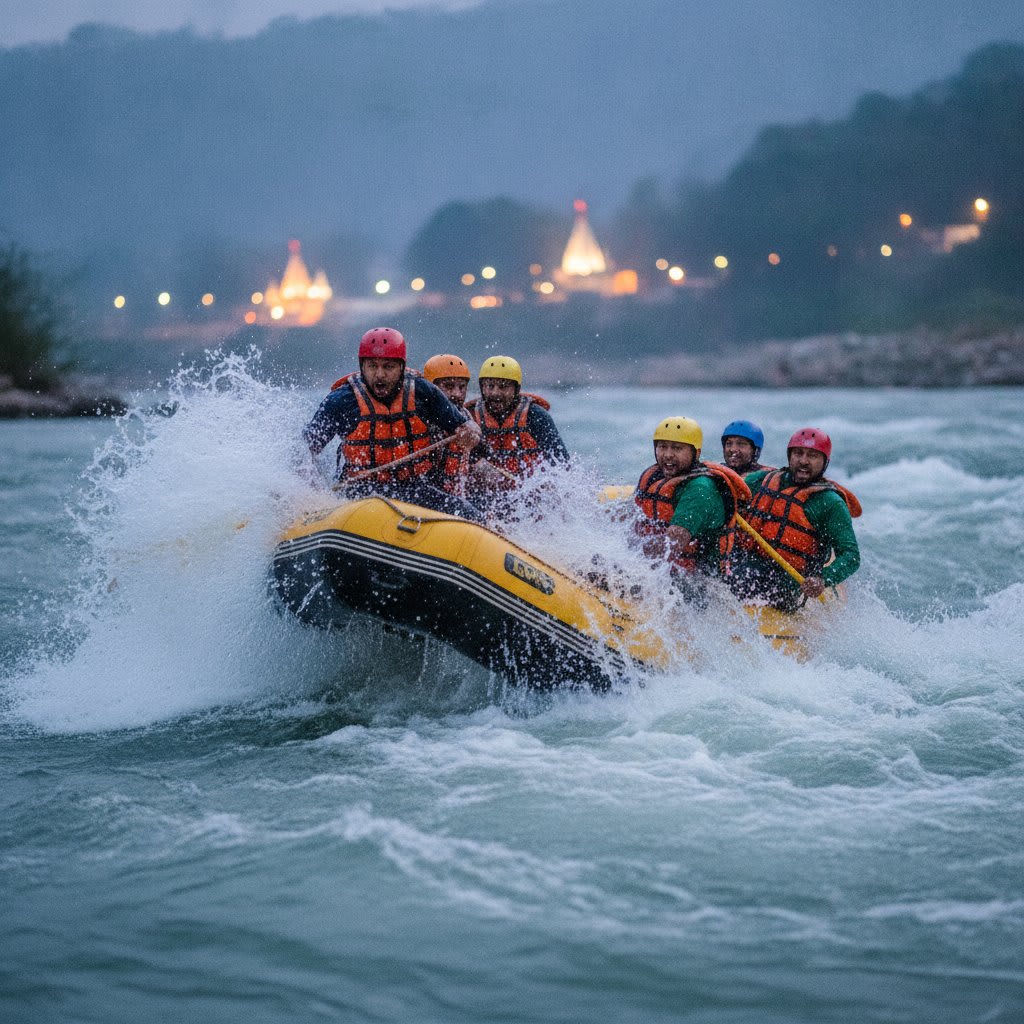
If you're planning a trip to Rishikesh and wondering whether you should try river rafting in Rishikesh, here's the short answer: absolutely.
But there is one thing worth knowing before you book the first rafting package you see.
Not every rafting route in Rishikesh feels the same.
A short 9 km trip can be a relaxed introduction to white water, while a longer route can turn into a physically demanding day of paddling through stronger rapids. The right choice depends on your experience, fitness level and, honestly, how much adrenaline you're looking for.
The good news? Rishikesh has a route for almost every kind of adventure seeker.
From beginner-friendly stretches to challenging sections around Kaudiyala, the Ganga gives you plenty of options to choose from.
So, if you're trying to figure out which is the best river rafting in Rishikesh, how much it costs, which route you should choose, what to carry and when to go, this guide covers everything you need to know before getting into the raft.
Why Is River Rafting in Rishikesh So Popular?
There are plenty of places in India where you can go rafting. So why does Rishikesh continue to be one of the most popular choices?
Part of the answer is the river itself.
The Ganga flows down from the Himalayan region and passes through the rocky landscape around Rishikesh before reaching the plains. Along the way, the river creates stretches of white water ranging from relatively easy rapids to much more challenging sections.
And then there's the setting.
You're not rafting in an artificial adventure park. You're surrounded by forested hills, rocky riverbanks and the Himalayan foothills. Depending on your route, you may pass beaches, cliffs and sections of the river that feel surprisingly wild.
At the same time, you're never too far from Rishikesh's spiritual side.
One minute you're paddling through a rapid, and later you're back near the town, with temples, ashrams and the familiar suspension bridges of Rishikesh around you.
That's what makes white water rafting in Rishikesh different from simply ticking off another adventure activity.
It's the combination of the river, landscape, culture and adrenaline.
If you want to explore more activities while you're here, you can also explore all Rishikesh adventures on Bucketlistt.
Best Rafting Routes in Rishikesh
The biggest mistake first-time rafters make is choosing a route based only on distance.
Longer doesn't automatically mean better.
Your experience level, the grade of the rapids and the amount of time you want to spend on the river matter much more.
Here are the main routes you'll come across when looking for rafting in Rishikesh.
1. Brahmpuri to NIM Beach: 9 KM
If you've never been rafting before and don't want to jump straight into intense rapids, this is one of the easier options.
The Brahmpuri route generally features Grade I-II rapids and is suitable for people looking for a relatively gentle introduction to rafting.
It's also a popular choice for families and beginners.
The route includes smaller rapids such as Sweet Sixteen and Double Trouble, giving you a taste of white water without making the entire experience too intense.
Best for: First-timers, families and beginners
Distance: Approximately 9 km
Difficulty: Easy to moderate
Approximate rafting time: Around 45 minutes to 1 hour
If your idea of adventure is "I want to try rafting, but I don't want to spend my entire trip panicking," this is a sensible place to start.
2. Shivpuri to NIM Beach: 16 KM
For many visitors, this is the sweet spot.
The Shivpuri to NIM Beach route gives you more action than the beginner route without immediately throwing you into the most challenging sections of the river.
You'll encounter Grade II-III rapids, including popular sections such as Roller Coaster and Golf Course.
The route is long enough to feel like a proper rafting adventure but manageable for active beginners and people with some basic fitness.
Best for: Active beginners, groups and first-time adventurers
Distance: Approximately 16 km
Difficulty: Moderate
Time: Around 3-4 hours, depending on conditions and breaks
If you ask me which route I'd recommend to someone trying rafting for the first time but still wanting a proper adventure, Shivpuri to NIM Beach is probably the one I'd pick.
3. Marine Drive to NIM Beach: 24 KM
Ready for more?
The Marine Drive route takes things up another level.
With longer time on the river and more demanding rapids, this route is better suited to people who are comfortable with physical activity and want a more immersive rafting experience.
You'll spend considerably more time paddling, so don't underestimate the difference between 16 km and 24 km.
Best for: Experienced beginners and adventure seekers
Distance: Approximately 24 km
Difficulty: Moderate to challenging
Time: Around 5-6 hours
This is the kind of trip where you may be tired by the end, but in a good way.
4. Kaudiyala to NIM Beach: 35 KM
This is where rafting becomes considerably more serious.
The Kaudiyala to NIM Beach rafting route covers roughly 35 km and includes stronger rapids. Some sections can reach Grade III+ to IV depending on river conditions.
One of the best-known rapids on this stretch is The Wall.
This route isn't something I'd recommend simply because it sounds impressive on Instagram. You need to be comfortable in the water, physically prepared and ready to follow your guide's instructions throughout the trip.
Best for: Experienced rafters and serious adventure seekers
Distance: Approximately 35 km
Difficulty: Challenging
Time: Full day
If you've already done shorter rafting routes and want something more demanding, this is the kind of route worth considering.
5. 100 KM Rafting Expedition
Then there's the big one.
A 100 km rafting Rishikesh expedition isn't really comparable to a standard half-day rafting trip.
Depending on the exact itinerary, these multi-day expeditions combine long stretches of river rafting with camping and time spent away from the usual tourist areas.
You're looking at multiple days on the river, stronger rapids and considerably more physical effort.
Best for: Experienced rafters and adventure enthusiasts
Distance: Approximately 100 km
Duration: Usually 2-3 days
Difficulty: Advanced
This is less "activity during my Rishikesh holiday" and more "this trip is the holiday."
Which Rafting Route Should You Choose?
Still confused?
Here's the easy version:
Route | Best For | Difficulty |
|---|---|---|
Brahmpuri to NIM Beach | Families and first-timers | Easy |
Shivpuri to NIM Beach | Beginners wanting more adventure | Moderate |
Marine Drive to NIM Beach | Active and experienced travellers | Moderate to challenging |
Kaudiyala to NIM Beach | Experienced rafters | Challenging |
100 KM Expedition | Serious adventure seekers | Advanced |
For most first-time visitors, Shivpuri to NIM Beach is a great balance between excitement and accessibility.
If you're travelling with family or younger participants, the shorter Brahmpuri route may make more sense.
And if you're already comfortable with rafting, look at the longer routes.
How Much Does River Rafting in Rishikesh Cost?
One of the first things people search for is the river rafting in Rishikesh price.
Prices vary depending on the route, season, operator and inclusions.
As a general guide, shorter routes can start around ₹500 per person, while longer and more challenging experiences can cost considerably more.
A typical range you may come across is:
9 km rafting: Around ₹500 onwards
16 km rafting: Usually higher depending on operator and season
24 km rafting: Higher-priced full or half-day experience
35 km rafting: Around ₹2,500 to ₹3,500 depending on the package
100 km expedition: Can cost ₹4,000 to ₹6,000 or more depending on duration and inclusions
Always check what's included before comparing prices.
A cheaper package isn't necessarily better if it comes with fewer inclusions or poor equipment.
When comparing an operator, look at the equipment, guide experience, route, transportation, meals for longer trips and cancellation policy, not just the number on the price tag.
You can also book river rafting in Rishikesh through Bucketlistt and compare available experiences before making your decision.
What Is the Best Time for Rafting in Rishikesh?
Timing can make a huge difference to your rafting experience.
The commonly preferred rafting seasons are September to November and March to May, when conditions are generally suitable for rafting and the river has enough flow for an exciting experience.
September to November
After the monsoon, the river can have stronger flow and more exciting rapids.
The weather is also generally pleasant, making this one of the most popular periods for adventure activities in Rishikesh.
March to May
Spring and early summer are also popular.
The weather gets warmer, making getting drenched in the river feel considerably better.
What About December to February?
Winter can bring colder conditions and lower water levels.
Rafting availability and route conditions can vary, so always check with your operator before planning around specific dates.
What About the Monsoon?
This is important.
Heavy monsoon conditions can make river levels and currents unpredictable, and rafting operations may be suspended during periods of unsafe conditions.
Never assume that a route is available simply because you found an old listing online.
Always check current operating conditions before booking.
Is Rafting in Rishikesh Safe?
This is probably the most important question, and the honest answer is that rafting is an adventure sport, so there is always some level of risk.
That doesn't mean you should be scared.
It means you should choose the right route, use proper safety equipment and listen to your guide.
Before booking, check whether your operator provides:
A properly fitted helmet
A personal flotation device or life jacket
Experienced rafting guides
Appropriate rafting equipment
Safety instructions before entering the river
A route appropriate for your experience level
Don't be afraid to ask questions.
A good operator should be comfortable explaining the route, equipment and safety procedures.
And don't choose a difficult route simply because your friends are doing it.
The best rafting in Rishikesh is the route that matches your experience, not necessarily the longest or wildest one.
What Happens If You Fall Into the Ganges?
Let's address the thought that crosses almost everyone's mind before their first rafting trip.
"What if I fall out?"
It can happen.
That's why you're wearing a properly fitted life jacket and why the guide gives you instructions before you start.
If you fall into the water, the most important thing is to stay calm and follow the safety instructions you've been given.
Your guide and rafting team are trained to manage situations on the river.
Don't try to be a hero.
Don't fight the current unnecessarily.
And don't ignore your guide's instructions.
The river deserves respect.
What Should You Wear for Rafting in Rishikesh?
Your outfit can make the experience much more comfortable.
Go for clothes that dry quickly.
Avoid heavy cotton clothes because once they're soaked, they stay wet and can become uncomfortable.
What to Wear
Quick-dry T-shirt
Comfortable shorts or track pants
Secure footwear
Swimwear if you prefer
Sunscreen
What to Carry
Water bottle
Sunscreen
Towel
Change of clothes
Waterproof pouch or bag
Waterproof camera if you have one
Avoid taking expensive jewellery, wallets or unnecessary electronics onto the river.
And yes, secure your phone.
The Ganga has claimed many phones that people thought they could safely carry.
A Few Rafting Safety Tips You Should Actually Remember
You don't need to memorise a textbook before rafting.
Just remember a few basics.
Listen to the Guide
Your guide knows the river better than you do.
If they tell you to paddle, paddle.
If they tell you to stop, stop.
If they tell you to move, move.
It sounds obvious, but when you're surrounded by waves and everyone is shouting, following instructions becomes incredibly important.
Don't Panic
A rapid can look much more dramatic from inside a raft than it does from the riverbank.
Stay focused and listen.
Wear Your Life Jacket Correctly
Don't loosen it because it feels uncomfortable.
Your PFD is there for a reason.
Choose the Right Route
Don't book the 35 km route just because someone told you it's "more fun."
Choose based on your experience and fitness.
Respect the River
Water conditions can change.
Your guide's decision to alter or cancel a route should always take priority over your itinerary.
What Is the Physical Fitness Requirement for Rafting?
You don't need to be an athlete to enjoy beginner rafting.
But rafting does involve paddling, balancing and staying alert for extended periods.
If you're planning a longer route, basic cardiovascular fitness and upper-body endurance will definitely help.
Swimming experience can also make you more comfortable around water, although rafting operators provide flotation equipment.
If you have any physical condition or concern that could make strenuous activity or cold-water exposure risky, check with a qualified professional before participating.
Can You Combine Rafting With Other Rishikesh Adventures?
Absolutely.
And honestly, you probably should.
Rishikesh has much more to offer than just rafting.
If you're building a 2-3 day adventure itinerary, you could combine rafting with bungee jumping in Rishikesh, ziplining, hiking, yoga or simply exploring the town.
You could spend one day on the river, another exploring the temples and cafes around Laxman Jhula, and another trying a completely different adventure.
For more options, explore Rishikesh adventures on Bucketlistt.
The idea isn't to squeeze ten activities into one day.
Leave some time to actually enjoy Rishikesh.
What Else Can You Do Around Rishikesh?
If you're staying for a few days, Shivpuri is worth exploring beyond rafting.
The area is known as one of the adventure hubs around Rishikesh and offers activities such as rock climbing and other outdoor experiences.
You can also explore the areas around Ram Jhula and Laxman Jhula, visit temples and ashrams, take walks along the river or simply spend an afternoon doing absolutely nothing.
And that's something people sometimes forget about Rishikesh.
You don't have to be doing an adventure activity every minute.
Sometimes sitting beside the Ganga after spending the morning rafting is the best part.
What Should You Know Before Booking Rafting in Rishikesh?
Before you hit the "book" button, check these five things:
1. Check the route.
Know exactly how many kilometres you're rafting and what difficulty level to expect.
2. Check what's included.
Ask whether transportation, equipment, meals or other services are included.
3. Check the safety equipment.
Helmet and properly fitted PFDs should be standard.
4. Check the operator.
Look for reviews and information about the people actually running the activity.
5. Check the weather and river conditions.
Conditions can change, so confirm your trip before heading to the launch point.
So, What Is the Best River Rafting in Rishikesh?
There isn't one universal answer.
If you're completely new to rafting, Brahmpuri to NIM Beach is a comfortable starting point.
If you want a little more excitement without going too extreme, Shivpuri to NIM Beach is probably the best all-round option.
If you've already rafted before, the Marine Drive or Kaudiyala routes offer a bigger challenge.
And if you're looking for a genuine multi-day adventure, the 100 km rafting expedition is in a completely different category.
The best choice is simply the one that matches what you want from the experience.
Rishikesh isn't special because you can say, "I went rafting."
It's special because you can spend the morning paddling through Himalayan white water and the evening sitting beside one of India's most sacred rivers.
That's an experience worth having.
Frequently Asked Questions About River Rafting in Rishikesh
What is the best time of year for river rafting in Rishikesh?
The commonly preferred rafting seasons are September to November and March to May. However, actual rafting availability depends on river conditions, weather and local operating decisions. Always confirm current conditions with your operator before travelling.
How much does white water rafting in Rishikesh cost?
Shorter rafting routes can start at around ₹500 per person, while longer routes can cost ₹2,500 to ₹3,500 or more. Multi-day rafting expeditions can cost considerably more depending on the itinerary, camping and meals. Prices can also change with season and operator.
Is river rafting in Rishikesh safe for beginners?
Beginner-friendly routes are available, particularly shorter stretches such as Brahmpuri to NIM Beach. However, rafting is still an adventure activity, so beginners should choose an appropriate route, use the provided safety equipment and follow their guide's instructions.
Which rafting route is best for first-time visitors?
The Shivpuri to NIM Beach route is a popular choice for first-timers who want more excitement than a beginner float. If you're looking for a gentler introduction, Brahmpuri is worth considering.
What should I wear and bring for rafting in Rishikesh?
Wear quick-drying clothing and secure footwear. Bring sunscreen, a towel, a change of clothes and a waterproof bag for essentials. Avoid carrying valuables or anything you don't want to lose in the river.
How long does rafting in Rishikesh take?
The duration depends on your route. Shorter trips may take around an hour, while the 16 km route can take several hours. Longer 24 km and 35 km routes can take most of a day. Multi-day expeditions obviously take considerably longer.
What happens if I fall into the Ganges while rafting?
Your life jacket is designed to keep you afloat, and your rafting team is trained to respond to situations on the river. If you fall, stay calm, follow the safety instructions given by your guide and avoid trying to fight the current unnecessarily.
Can I book rafting through Bucketlistt?
Yes. You can book river rafting in Rishikesh through Bucketlistt and explore available rafting experiences in one place.
What is 100 km rafting in Rishikesh?
A 100 km rafting expedition is a multi-day experience rather than a standard rafting session. Depending on the itinerary, it can include longer stretches of Grade III-IV white water, camping and multiple days on the river. It is intended for experienced participants who are comfortable with physically demanding rafting.
Ready to Experience Rishikesh From the River?
You can read about rafting all day, but eventually there's only one way to understand why people keep coming back to Rishikesh for it.
Get in the raft.
Choose a route that matches your experience, listen to your guide, hold on tight when the river gets wild and enjoy the moment when the raft drops into its first proper rapid.
When you're ready, book your Rishikesh rafting experience on Bucketlistt.
And if rafting is only the beginning, explore all Rishikesh adventures on Bucketlistt and build an adventure-filled trip around it.