Best River Rafting in Rishikesh Complete 2026 Guide
If you're planning a trip to Rishikesh, there's a good chance river rafting is already somewhere on your list.
And honestly, it should be.
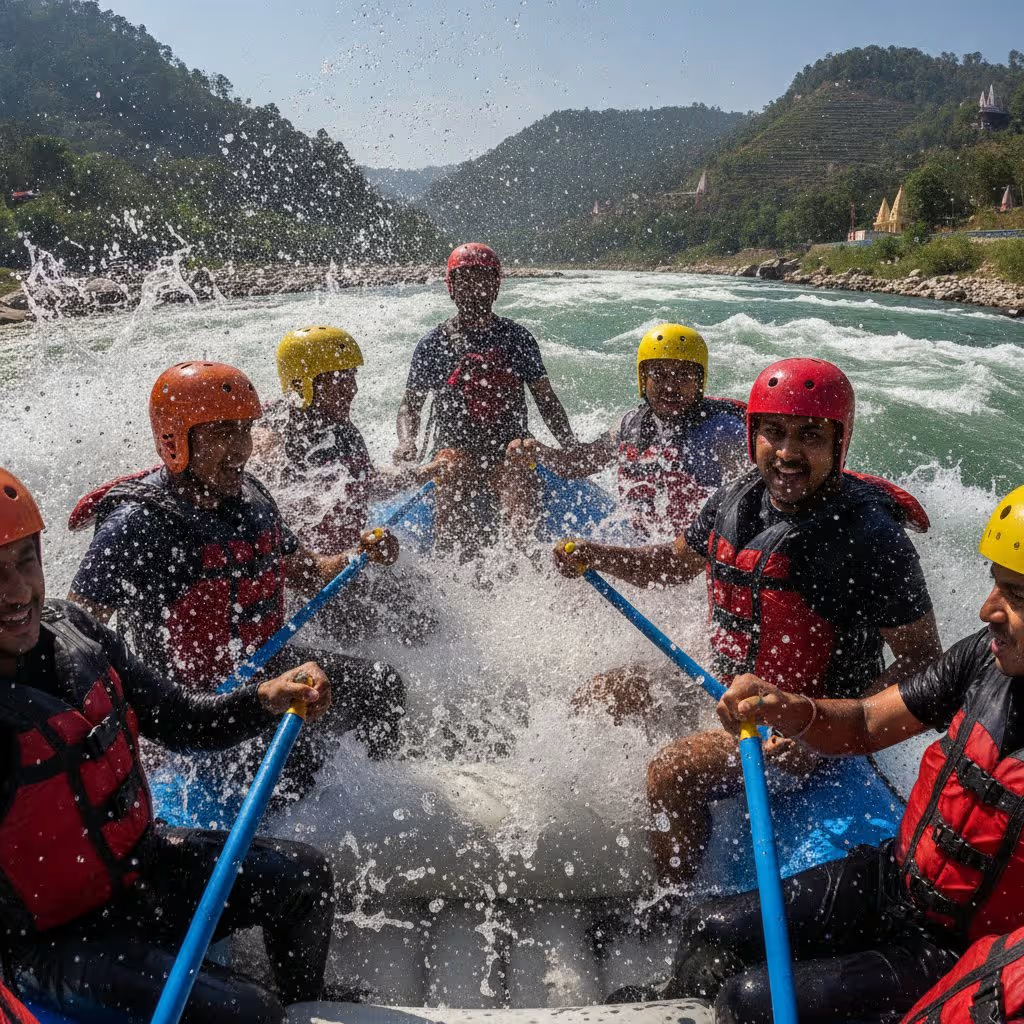
There's something different about seeing the Ganga from the river instead of from the ghats. One minute you're floating through a calm stretch, looking at the mountains around you. A few minutes later, your guide is shouting instructions and the entire raft is bouncing through white water.
That mix of scenery, adrenaline and teamwork is what makes river rafting in Rishikesh such a popular experience.
But there's one question that comes up again and again:
Which rafting route should you actually choose?
Rishikesh has everything from short beginner-friendly stretches to longer routes with more demanding rapids. So instead of simply telling you that Rishikesh has the “best rafting,” here's a practical guide to what the different routes are actually like, who they're suitable for, what to carry and when to go.
If you're planning more adventures during your trip, you can also explore all Rishikesh adventures on bucketlistt.
Why Go River Rafting in Rishikesh?
Rishikesh is one of those places where adventure and spirituality exist side by side.
You can spend the morning rafting through rapids on the Ganga and later sit beside the same river during the evening Ganga Aarti. Walk around Tapovan, cross the bridges, stop at a café and, somewhere between all of that, realise that the river has been the centre of your entire day.
That's part of what makes rafting in Rishikesh special.
The rafting stretches move through the Himalayan foothills, with rocky cliffs, forested sections and quieter parts of the river between the rapids.
Depending on your route, you may encounter famous rapids such as Roller Coaster, Golf Course and Club House.
And you don't need to be an experienced rafter to enjoy it.
There are shorter routes for first-timers and longer stretches for travellers who want something more physically demanding.
Which Rishikesh Rafting Route Should You Choose?
This is probably the most important decision you'll make when booking.
Longer doesn't automatically mean better. The right route depends on your experience, fitness, available time and how much adventure you're actually looking for.
9 km Brahmpuri to NIM Beach - Best for Beginners
If this is your first time rafting, the 9 km Brahmpuri to NIM Beach route is a good place to start.
The route is relatively short and includes easier rapids, making it popular with first-time rafters and families.
You'll still get the important parts of the experience:
Learning basic paddle commands
Getting into the raft with your group
Going through your first rapids
Getting completely soaked
Floating through calmer stretches
Finishing the trip wondering why you were nervous in the first place
If nobody in your group has tried rafting before, this is one of the easier routes to consider.
16 km Shivpuri to NIM Beach - The Popular Middle Ground
Want more excitement without spending most of your day on the river?
The 16 km Shivpuri to NIM Beach route is a popular option.
It gives you enough white water to make the experience genuinely exciting while still leaving you plenty of calmer sections to enjoy the scenery.
Depending on river conditions and the operating route, you may encounter popular rapids such as Roller Coaster, Golf Course and Club House.
For many travellers, this is the sweet spot between a short introductory rafting experience and a more demanding full-day adventure.
24 km Marine Drive to NIM Beach - For More Adventure
The 24 km Marine Drive route keeps you on the river for longer and requires more physical effort.
You'll spend more time paddling and encounter stronger sections of white water compared with the shorter routes.
This is a better choice if you're reasonably fit and want rafting to be one of the main activities of your day.
If you're looking for something more challenging than the usual tourist rafting experience, this route is worth considering.
35 km Kaudiyala to NIM Beach - For Experienced Rafters
If you've been searching for 35 km rafting in Rishikesh, the Kaudiyala stretch is the route you'll commonly come across.
This isn't where we'd recommend starting if you've never rafted before.
The longer distance and stronger rapids require more physical effort, coordination and confidence on the river.
River conditions also make a significant difference, so availability can vary depending on the season and local safety restrictions.
For experienced adventure travellers, though, this is where rafting starts feeling much more serious.
What About 100 km Rafting in Rishikesh?
You may also see 100 km rafting in Rishikesh mentioned while researching longer expeditions.
These experiences are very different from the standard commercial rafting trips.
A 100 km expedition is generally a multi-day adventure involving long stretches of river, camping and considerably more demanding conditions.
It's meant for experienced adventure travellers rather than someone simply looking for an activity during a weekend in Rishikesh.
So don't choose your route just because the number is bigger.
Choose the experience that actually suits your group.
What Does a Typical Rafting Day Look Like?
One of the best things about rafting is that the actual experience is usually much simpler than people imagine.
You arrive at the meeting point, check in, get your safety equipment and travel to the starting point.
Before getting into the river, your guide should explain:
How to hold the paddle
What different commands mean
How to sit inside the raft
What to do if someone falls into the water
How to respond during a rapid
Then comes the part everyone remembers.
You push away from the riverbank.
The first few minutes can feel surprisingly calm. You're paddling, looking around and wondering when the “real” rafting is going to begin.
Then your guide calls out:
“Forward paddle!”
Everyone starts paddling.
The raft hits the rapid.
Suddenly you're laughing, shouting and trying to remember everything you were just taught.
Between rapids, the river becomes calmer again. That's when you get time to actually look around — the hills, trees, rocks and people along the riverbanks.
That's the rhythm of rafting in Rishikesh.
Paddle. Rapid. Laugh. Recover. Repeat.
When Is the Best Time for Rafting in Rishikesh?
Timing matters because river conditions change throughout the year.
The usual rafting season runs roughly from September to May, subject to local conditions and operating restrictions.
September to October
These months can offer good water levels after the monsoon period, along with comfortable weather.
November to February
The weather is cooler and the river water can feel very cold, particularly during early-morning trips.
March to May
The weather becomes warmer, making it easier to get into the river. These months are also popular with travellers.
June to August
This is the monsoon period.
Heavy rainfall can dramatically change river conditions, and rafting is generally restricted or suspended during periods when the river is considered unsafe.
Always check the current operating status before planning your rafting trip.
How Much Does River Rafting in Rishikesh Cost?
Prices vary depending on the route, operator, season and what's included.
As a general planning range, you may come across prices around:
Route | Distance | Approx. Price |
|---|---|---|
Brahmpuri | 9 km | ₹800–₹1,200 |
Shivpuri | 16 km | ₹1,200–₹1,800 |
Marine Drive | 24 km | ₹2,000–₹2,500 |
Kaudiyala | 35 km | ₹2,800–₹3,500 |
Multi-day expedition | 100 km+ | ₹4,000+ |
These are indicative prices, not fixed rates. Prices can change depending on season, demand, inclusions and operating conditions.
Before booking, check what's actually included.
Is transport included?
Is safety equipment provided?
Is the price per person or per raft?
Is photography or video extra?
These details can make a difference to the final cost.
You can book Rishikesh rafting through bucketlistt and compare available experiences before deciding.
What Should You Wear for Rafting?
This is one of those things you don't think about until you're standing beside the Ganga in wet clothes.
Keep it simple.
Wear something comfortable that you're happy getting completely soaked in.
Good choices:
Quick-dry T-shirt
Shorts or comfortable athletic trousers
Sports shoes or secure river sandals
Swimwear underneath, if preferred
Sunscreen
Sunglasses with a secure strap
Avoid loose footwear.
And definitely don't wear your favourite outfit.
You're going into a river.
You're going to get wet.
Bring a dry set of clothes for afterwards and leave unnecessary valuables at your accommodation.
What Should You Carry for Rafting in Rishikesh?
You don't need a huge backpack for a rafting trip.
In fact, carrying less is usually better.
Bring:
Government-issued photo ID
Water bottle
Sunscreen
Small waterproof pouch
Extra clothes
Towel
Some cash
Sunglasses with a strap
Your operator should provide essential rafting equipment such as the raft, paddle, helmet and life jacket. Confirm what's included before booking.
And one important tip:
Don't take your phone into the river unless it's properly secured in waterproof equipment.
If you want to capture the experience, ask your operator whether professional photos or video footage are available.
Rishikesh Rafting Safety Tips You Should Actually Follow
Rafting is an adventure activity, so there is always some level of risk.
The goal isn't to remove the adventure.
It's to make sure you're doing it responsibly.
1. Wear Your Life Jacket Properly
This isn't optional.
Your life jacket should be properly fitted and secured before you enter the river.
2. Don't Skip the Safety Briefing
Even if you've rafted somewhere else before, listen to your guide.
River conditions aren't identical from one trip to another.
3. Follow Your Guide's Instructions
During rapids, your guide's instructions matter.
If they tell you to paddle, paddle.
If they tell you to stop, stop.
If they tell you to hold on, hold on.
4. Never Try to Stand in Fast-Moving Water
If you fall out of the raft, don't immediately try to stand in moving water.
Follow the rescue instructions given by your guide.
5. Be Honest About Your Health and Fitness
Rafting requires physical effort.
If you have a medical condition, injury or other concern that could affect your ability to participate, discuss it with the operator before booking.
What If You Fall Out of the Raft?
This is probably the question every first-timer secretly wants answered.
What happens if I fall?
First: don't panic.
Your guide will explain the appropriate response before the trip.
Generally, you should keep your life jacket on, follow your guide's instructions and avoid trying to stand in fast-moving water.
The important thing is not to fight the river blindly.
Listen to your guide.
Professional rafting guides are trained to manage swimmers and rescue situations, but conditions can vary, so your guide's instructions should always take priority.
And yes, falling into the water can be scary.
It can also become one of the funniest stories you take home.
Do You Need to Be Fit to Go Rafting?
You don't need to be a professional athlete.
But rafting is still physical.
The shorter beginner routes are accessible to many first-time participants, while longer routes require more sustained paddling and endurance.
If you're unsure, tell the operator about your fitness level and choose your route accordingly.
Don't book a 35 km expedition simply because the number looks impressive.
The best rafting experience is one where you finish tired, excited and happy — not completely exhausted halfway through.
What Else Can You Do in Rishikesh?
The nice thing about rafting is that it doesn't have to take over your entire trip.
You can easily build a 2–3 day Rishikesh itinerary around it.
Explore the Ghats
Spend an evening around the Ganga and experience the city's spiritual side.
Visit Triveni Ghat
The evening Ganga Aarti is one of the experiences worth making time for.
Walk Around Tapovan
Tapovan has cafés, yoga centres, shops and a relaxed traveller atmosphere.
Try Other Adventure Activities
Rishikesh isn't only about rafting.
Depending on the season and availability, you can also look at activities such as bungee jumping, giant swing, ziplining, camping and other outdoor experiences.
Explore Rishikesh adventures on bucketlistt.
If you're staying overnight, you can also explore Rishikesh camping experiences.
A Simple Rishikesh Rafting Plan
If you're visiting Rishikesh for a weekend, you don't need to overcomplicate your itinerary.
Day 1
Arrive → Check into your stay → Explore Tapovan → Sunset by the Ganga → Ganga Aarti
Day 2
Morning rafting → Lunch → Relax → Explore cafés → Evening by the river
Day 3
Choose another adventure → Explore local attractions → Head back
This gives you enough time to experience the adventurous side of Rishikesh without turning the entire trip into a checklist.
So, Which Is the Best River Rafting in Rishikesh?
There isn't one answer for everyone.
If you're a first-timer, start with 9 km.
If you want the classic Rishikesh rafting experience, 16 km Shivpuri is a strong choice.
If you're looking for a longer and more physically demanding experience, consider 24 km Marine Drive.
And if you're already comfortable with rafting and want something significantly more challenging, look into the 35 km Kaudiyala stretch or longer expedition options where available.
The best route isn't necessarily the longest one.
It's the one you'll actually enjoy.
And that's really what Rishikesh does best.
It gives you a few hours of adrenaline on the Ganga, followed by the chance to slow down, eat something good, watch the sunset and remember that adventure doesn't always have to mean rushing from one attraction to another.
If you're ready to get on the river, browse and book river rafting in Rishikesh on bucketlistt.
Frequently Asked Questions
Is river rafting in Rishikesh safe for beginners?
Yes, several rafting stretches are suitable for first-time participants. Shorter routes with easier rapids are generally the better starting point. Always use the required safety equipment and follow your guide's instructions.
What is the best time for river rafting in Rishikesh?
The usual rafting season is from September to May, although actual availability depends on river conditions and local regulations. Monsoon months generally see rafting restrictions because of high and unpredictable water levels.
How much does river rafting in Rishikesh cost?
The price depends on the route and operator. Shorter routes can start around ₹800, while longer routes can cost ₹3,000 or more. Multi-day expeditions are priced separately.
What should I wear for rafting in Rishikesh?
Wear comfortable quick-dry clothes and secure footwear that you're comfortable getting wet in. Carry a dry change of clothes for afterwards and use sunscreen.
What should I bring for rafting?
Carry your ID, sunscreen, water, a small waterproof pouch, some cash and a change of clothes. Your operator should provide essential rafting equipment, but confirm inclusions before booking.
Is Rishikesh safe for solo travellers?
Rishikesh is a popular destination for solo travellers, but normal travel precautions still apply. Choose established activity operators, keep your belongings secure and let someone know your plans when heading out for adventure activities.
Do I need prior experience for white-water rafting in Rishikesh?
No. Many rafting routes are designed for beginners and don't require previous rafting experience. More demanding routes, however, are better suited to people with appropriate fitness and previous experience.
Is 35 km rafting suitable for beginners?
Generally, no. The longer Kaudiyala stretch involves more demanding rapids and requires greater physical effort. Beginners should consider a shorter route first.
Is 100 km rafting available in Rishikesh?
Long-distance rafting expeditions can be offered as multi-day adventures, but these are very different from standard commercial rafting trips. Availability depends on the season, river conditions, route and operator.
Can I go rafting during the monsoon?
Rafting operations are generally restricted or suspended during periods of heavy monsoon rainfall because river conditions can become unsafe. Always check current local operating conditions before travelling.
Suggested Internal Links
Final Thought
Don't come to Rishikesh just to say you went rafting.
Come because for a few hours, you're completely disconnected from everything else.
No notifications.
No traffic.
No meetings.
Just a paddle in your hands, the Ganga underneath you and someone at the front of the raft yelling:
“Paddle!”
That's the part you'll remember.